
The Evolution of Diabetes Management Techniques
Diabetes care has changed considerably — from occasional finger-prick readings to continuous glucose monitoring and individually tailored insulin regimens. Here is what that means for people living with the condition today.
Diabetes management has changed considerably over the past few decades. What was once a matter of occasional testing and fixed medication schedules has become a far more responsive, individual process — and that shift has made a real difference to how well people can live with the condition.
From single readings to continuous data
For a long time, managing diabetes meant a handful of finger-prick readings a day. Each one was a single snapshot, and everything between those points was guesswork. Continuous glucose monitoring changed that: it tracks glucose in real time, showing how levels move after meals, during exercise and overnight. Seeing the whole pattern makes it possible to adjust treatment specifically rather than generally.
Medication tailored to the person
Insulin therapy is now far more individual than it once was. Dose and timing are matched to a person's own readings, routine and circumstances, then reviewed as those change. Oral medication has broadened too, and choosing between the options increasingly takes account of a patient's kidney function and other conditions rather than blood sugar alone.
Education as part of treatment
Perhaps the most significant change is the recognition that most diabetes care happens away from the clinic. Structured self-management education — interpreting your own readings, understanding how food and activity affect glucose, recognising warning signs — is now understood as part of treatment rather than an optional extra.
Protecting the kidneys
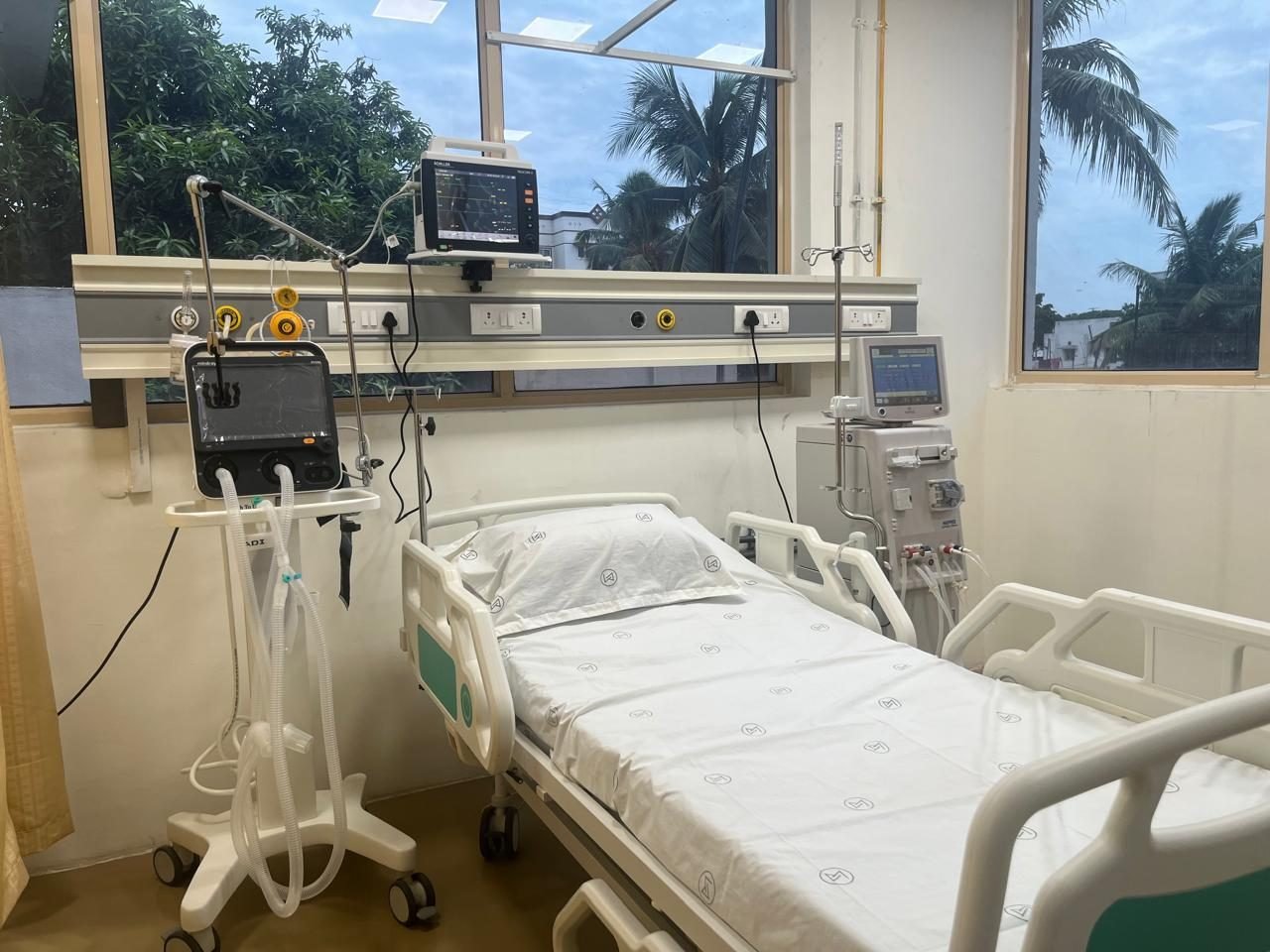
One thing has not changed: long-standing diabetes remains a leading cause of kidney disease. Regular monitoring of kidney function is an essential part of diabetes care, not a separate concern. Because we run a dedicated dialysis centre alongside our diabetology service, we are well placed to identify kidney involvement early and act on it without referring patients elsewhere.
This article is general information and is not a substitute for advice from your own doctor. If you are unwell or unsure about your treatment, contact us on +91 80156 92229 or seek medical care.